Buying your first condo in Cambridge can feel like trying to solve two puzzles at once: finding the right home and figuring out the building behind it. In a market where prices are high and well-priced condos can move quickly, it is easy to focus on the kitchen, layout, or location and miss the documents, fees, and building details that matter just as much. This guide will help you understand what to look for, what to ask, and how to prepare so you can buy with more clarity and confidence. Let’s dive in.
Cambridge condo market basics
Cambridge is a competitive condo market, and that shapes how you should approach your search. Recent market snapshots show condos for sale at a median listing price around $849,000, with homes averaging about 30 days on market and receiving multiple offers. Another current market source shows Cambridge home values averaging over $1 million, with pending homes moving in around 9 days.
That pace matters if you are a first-time buyer. You may not have much time to make decisions once the right unit appears, so preparation is a real advantage. Getting your financing, budget, and document review process lined up early can help you act quickly without feeling rushed.
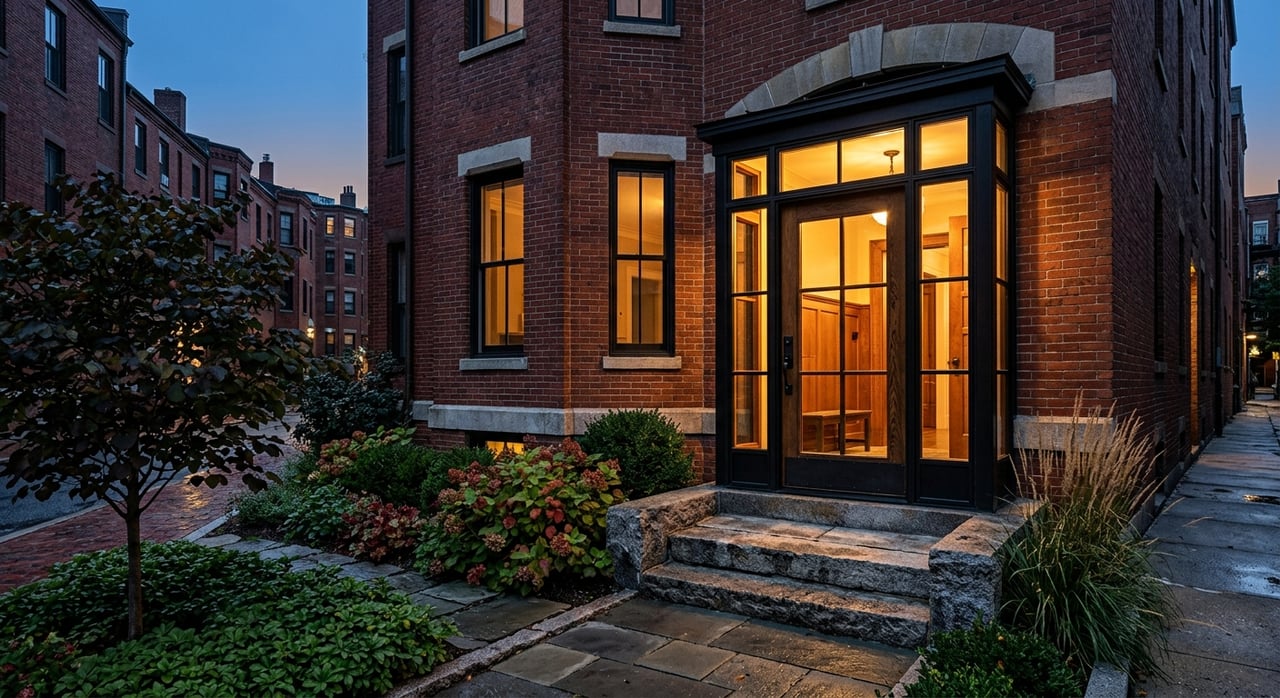
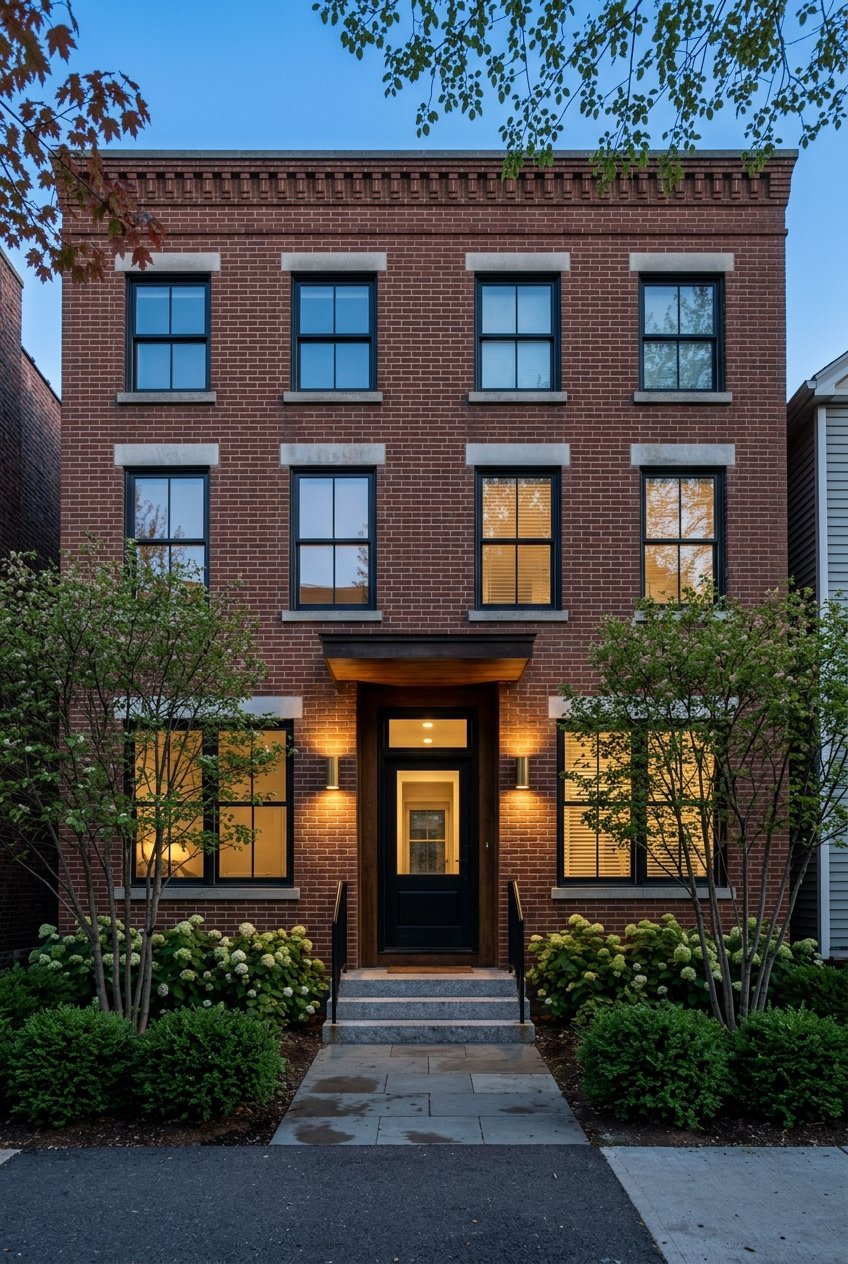
Cambridge also offers a wide mix of housing stock. You will find older condo conversions, brick walk-ups, protected historic properties, and newer multifamily buildings shaped by recent zoning and design changes. That variety is part of the city’s appeal, but it also means each building can come with a very different set of rules, costs, and future maintenance needs.
Know what you are buying
When you buy a condo, you are not just buying the unit itself. You are also buying into a shared legal and financial structure that includes common areas, association rules, and monthly expenses. That is why condo buying requires a different level of review than a typical single-family home search.
Under Massachusetts law, a unit deed should identify the property as a condominium, reference the recorded master deed and unit designation, describe the intended use and any use restrictions, and state the unit’s undivided interest in the common areas. As a unit owner, you also must comply with the by-laws, rules, and restrictions tied to the master deed and deed.
In practical terms, this means your ownership comes with both rights and responsibilities. Before you buy, you want a clear picture of what you can do, what you must pay, and how the association operates.
Read the condo documents early
One of the smartest things you can do as a first-time Cambridge condo buyer is ask for the condo packet as early as possible. These documents help you understand the building before you commit, and they can also affect your lender’s review of the project.
Start with these key items:
- Master deed
- By-laws
- Current budget
- Recent meeting minutes
- Insurance information
- Reserve study, if available
- HOA questionnaire, if available
The master deed and by-laws tell you how the condominium is structured and what rules apply. The budget and reserve information help you evaluate financial stability. Meeting minutes can reveal recurring maintenance issues, owner concerns, or planned projects that may not be obvious during a showing.
Massachusetts also notes that condo associations should maintain records like the master deed, by-laws and amendments, minute book, financial records, service contracts, and insurance policies. If the records are incomplete or hard to obtain, that may be a sign to slow down and ask more questions.
If you need help interpreting what the documents mean, Mass.gov advises working with a real estate attorney familiar with condominium law. That is especially important if you are unsure about restrictions, owner responsibilities, or possible legal risks.
Understand condo fees and true monthly cost
A common first-time buyer mistake is comparing condos based mostly on price and overlooking the full monthly cost. Your monthly payment is not just principal and interest. It may also include property taxes, homeowner’s insurance, mortgage insurance if applicable, flood insurance if needed, and condo fees.
Condo fees are tied to the association budget, not just the appearance of the building. Under Massachusetts law, common expenses are assessed at least annually based on the adopted budget. Associations may also charge for certain unit-specific repair costs, limited common area costs, late charges, legal fees, fees, and some utility costs.
That means a lower-fee condo is not automatically the better deal, and a higher-fee condo is not automatically overpriced. What matters is what the fee covers, how well the building is maintained, and whether the association is planning responsibly for future costs.
Costs to factor into your budget
As you compare condos in Cambridge, make room in your budget for:
- Mortgage principal and interest
- Property taxes
- Condo fees
- Homeowner’s insurance
- Mortgage insurance, if your down payment is under 20%
- Flood insurance, if required
- Closing costs, which commonly run about 2% to 5% of the purchase price
Looking at the full picture can help you avoid stretching for a purchase price that feels manageable on paper but becomes uncomfortable once all monthly costs are added in.
Review Cambridge property taxes carefully
Property taxes can make a noticeable difference in monthly affordability, especially in a higher-priced market like Cambridge. For FY2026, the City of Cambridge lists a residential tax rate of $6.67 per $1,000 of assessed value. The city also adds a 3% Community Preservation Act surcharge to property tax bills.
It is also important to know that Cambridge property values are based on full and fair cash value. In other words, the tax bill is tied to assessed market value, not just the price you pay or the level of the condo fee.
If you plan to live in the condo as your primary residence, you may want to ask about the residential exemption. Cambridge requires owner-occupants to file annually and meet the city’s January 1 ownership and occupancy rules. This is one more reason to review tax details unit by unit rather than making assumptions across buildings.
Look closely at building finances
A beautiful unit can still come with hidden risk if the building’s finances are weak. Lenders often review project budgets, reserves, and insurance as part of the condo approval process. If the association has poor reserves or relies too heavily on special assessments, that can create both financing and ownership concerns.
For you as a buyer, reserve strength matters because it affects how future repairs may be paid for. If a roof, facade, or common system needs work and the association has not saved enough, owners may face a special assessment. Freddie Mac guidance also notes that special assessments do not replace required reserve funding in project reviews.
As you review a building, pay attention to:
- Reserve balances
- History of special assessments
- Deferred maintenance
- Litigation involving the association
- Insurance coverage
- Whether financial records are organized and current
You do not need to become a condo accountant overnight. You just want to make sure the building is not asking you to step into a problem that the listing photos cannot show.
Consider historic district rules
Cambridge has a mix of classic and modern buildings, and many buyers are drawn to older properties with character. That charm can be a real plus, but it is important to understand whether the building sits in a Historic District, a Neighborhood Conservation District, or another designated area.
The Cambridge Historical Commission states that the city has two Historic Districts and four Neighborhood Conservation Districts, and it reviews certain exterior changes and demolition applications for older buildings. In some historic districts, exterior alterations may require review even when no building permit is required.
If you are imagining future updates, ask early whether any exterior work could be subject to review. In older Cambridge condo conversions and brick walk-ups, this question can save you from making assumptions about windows, doors, decks, exterior fixtures, or other visible changes after closing.
Evaluate newer buildings differently
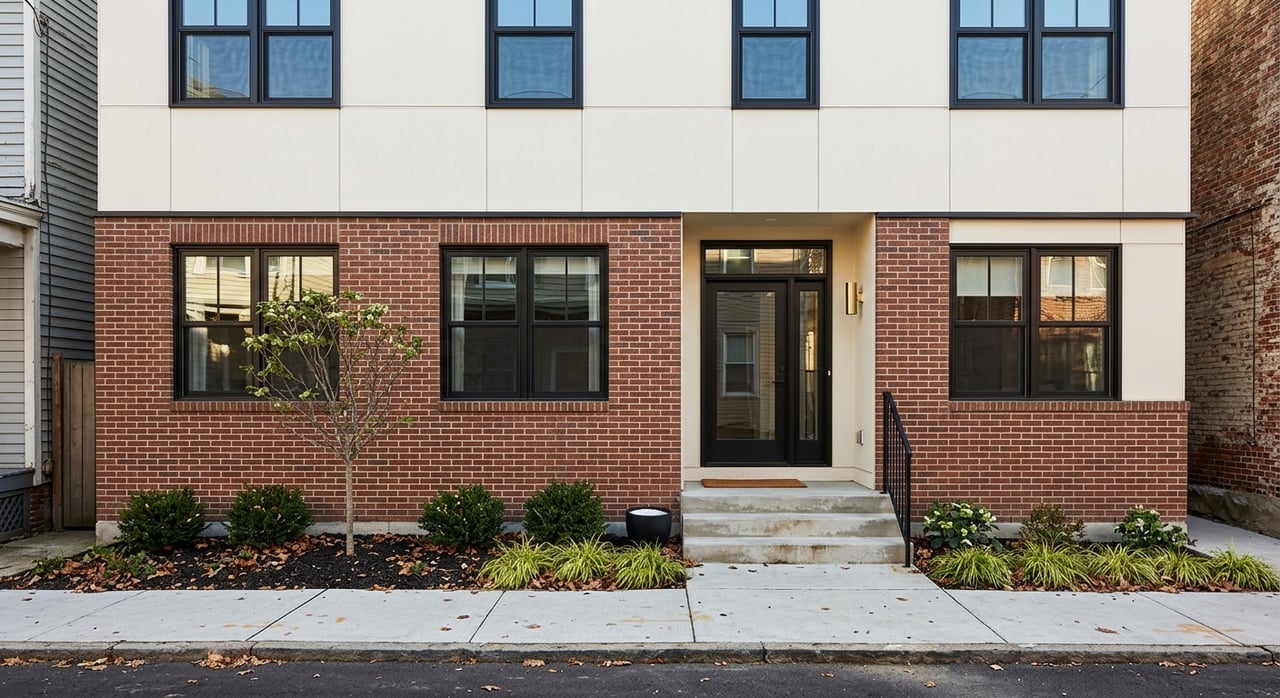
Newer condo buildings in Cambridge bring a different set of questions. The city’s 2025 multifamily zoning changes allow multifamily dwelling uses citywide and raise height limits in some districts. Cambridge’s current design guidance also emphasizes how new multifamily buildings should fit their surroundings and address items like parking, utilities, and sustainability.
For a buyer, that means new construction or recently built condos may offer modern systems and lower near-term maintenance, but you still need to review the association structure carefully. A newer building is not automatically simpler. You still want to understand fees, reserves, insurance, rules, and what common systems the association must maintain.
Check flood and water risk
Flood risk is another building-by-building issue worth checking in Cambridge. Standard homeowner insurance does not cover flood damage, and properties in FEMA special flood hazard areas are likely to require flood insurance.
This matters most if you are considering a river-adjacent or lower-lying building. Even if flood insurance is not required, asking about water exposure, past water issues, and current insurance arrangements can help you understand both risk and future cost.
Prepare to make a competitive offer
In Cambridge, being prepared is part of being competitive. Limited inventory, high prices, and fast-moving listings mean sellers often favor buyers who look organized and ready.
A strong first step is mortgage prep. Consumer guidance recommends getting at least three preapprovals and comparing at least three loan offers so you can evaluate rates, terms, and total costs more clearly. This can also help you move faster when you find the right condo.
You should also line up your condo review team early. If you already know who will help you review documents and guide you through the process, you are less likely to lose time once you are under pressure to decide.
Smart prep steps before touring seriously
Before you get too deep into the search, try to have these pieces in place:
- A realistic monthly budget
- Down payment and closing cost estimates
- Mortgage preapprovals from multiple lenders
- A list of must-haves and nice-to-haves
- A plan for reviewing condo documents quickly
- Questions ready about fees, reserves, and assessments
This kind of preparation does not just make you faster. It helps you stay calm and make better choices when the market feels intense.
Use Cambridge first-time buyer resources
Cambridge offers local programs that may help first-time buyers, especially if affordability is a concern. The city’s down payment and closing cost assistance program can provide up to $10,000 in forgivable aid to income-eligible first-time buyers purchasing a home in Cambridge, including condos. The program requires a first-time homebuyer workshop and primary-residence occupancy.
The city also offers a free four-week online First-Time Homebuyer Workshop. According to Cambridge, the course covers budgeting and credit, the housing search, mortgages, legal issues, inspections, insurance, successful homeownership, and financial assistance programs. Graduates can also schedule one-on-one counseling with a homebuyer counselor.
MassHousing also states that its down payment assistance can be combined with other local programs, and its first-time homebuyer loans require homebuyer counseling for first-time buyers. If you think you may qualify for assistance, it is smart to explore those options before your search gets serious.
A steady approach matters most
Buying your first condo in Cambridge is not just about moving fast. It is about knowing where to slow down. The right condo is not only a unit you like, but also a building you understand and a monthly payment you can comfortably carry.
When you take time to review the documents, evaluate the building, and prepare your financing, you give yourself a better chance of making a confident decision in a competitive market. And when you have direct, thoughtful guidance along the way, the process tends to feel much more manageable.
If you are thinking about buying your first condo in Cambridge and want calm, broker-led guidance from start to finish, connect with Arcay Realty, Inc..
FAQs
What documents should first-time condo buyers in Cambridge review?
- You should review the master deed, by-laws, current budget, meeting minutes, insurance information, and any reserve study or HOA questionnaire available.
How do condo fees work for Cambridge condos?
- Condo fees are based on the association’s budget and may cover shared building expenses, with some additional charges possible for certain repairs, limited common areas, fees, or utilities.
Why do building reserves matter when buying a Cambridge condo?
- Reserve funds help pay for future building repairs, and weak reserves or repeated special assessments can create added cost and risk for owners.
Are historic district rules important for Cambridge condo buyers?
- Yes. In some Cambridge historic districts or conservation districts, certain exterior changes may need review, so it is important to ask about district status before you buy.
Are there first-time homebuyer programs for Cambridge condo buyers?
- Yes. Cambridge offers eligible first-time buyers up to $10,000 in forgivable down payment and closing cost assistance for Cambridge home purchases, including condos, and the city also offers a free homebuyer workshop.